


Founded in 2004, our clean beauty edit is powered by nature and guided by science to represent the world's best and most effective natural beauty brands. With over 17,000 authenticated five star reviews you know you're onto something good.
Britain's Most Positively Reviewed Organic Skin Care Store
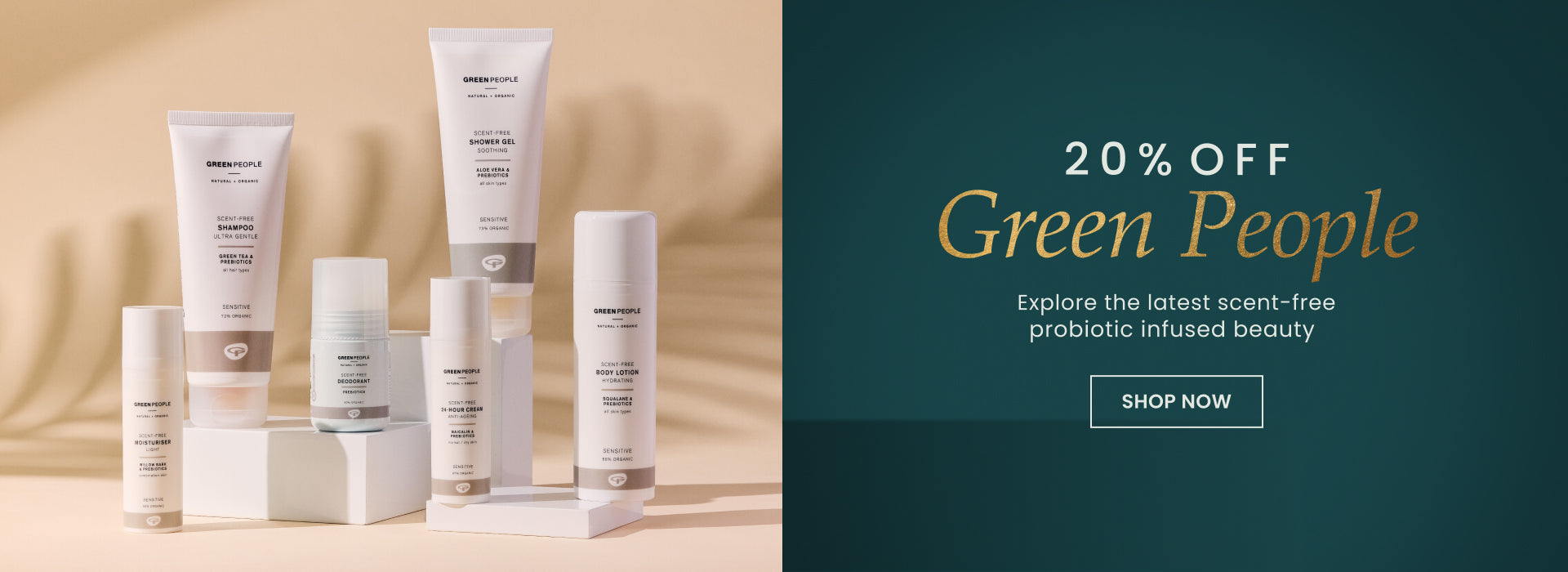
Green People
24-Hour Facial Cream
Bring your skin back into balance with Green People's microbiome-friendly skin care. Packed with prebiotics & postbiotic, to help rebalance your skin.
Green People
Scent Free Facial Cream - SPF15
Green People's scent free collection is clinically proven to be kind to sensitive skin.
Green People
Scent Free Eye Cream
Microbiome-friendly, scent-free eye cream. Packed with prebiotics & postbiotic ingredients. Dermatologically tested and ideal for the most sensitive of skin
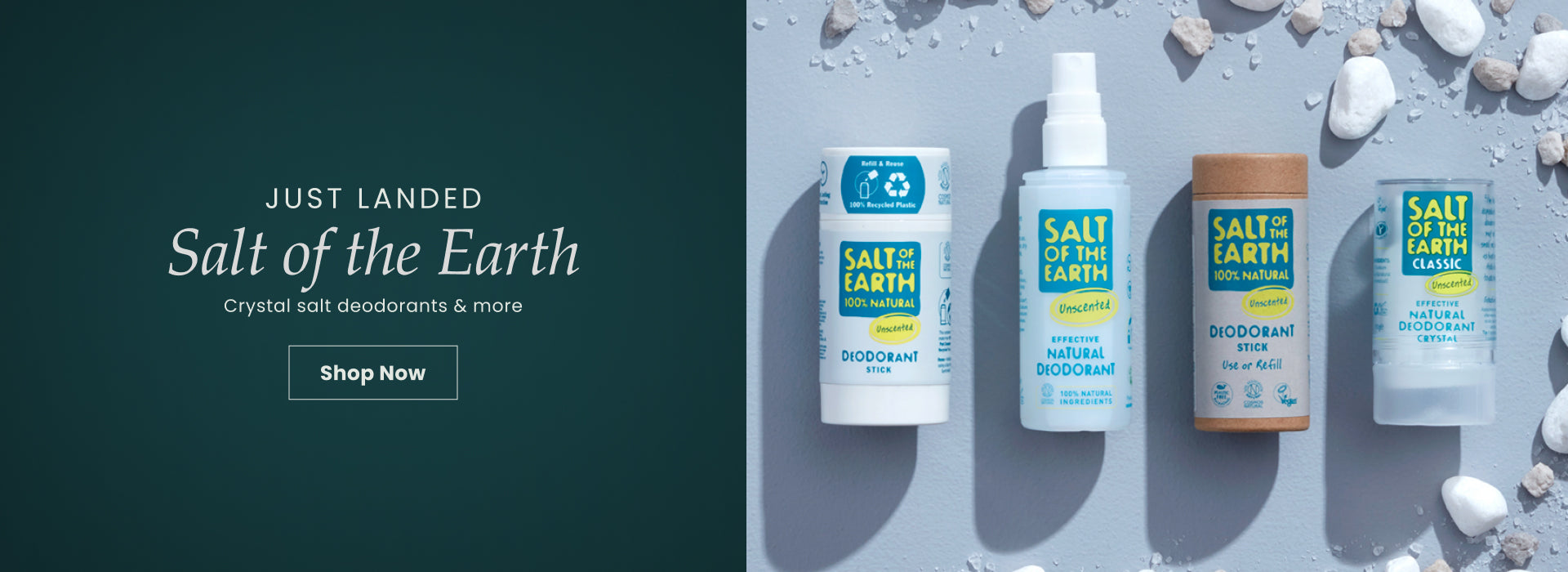
Salt of the Earth
Crystal Deodorants
Say hello to Salt of the Earth, the masters behind the original crystal rock salt deodorant. But hold onto your hats, because they're not stopping there! They've whipped up a whole range of deodorant sprays, roll-ons, and sticks, all packed with that signature salty goodness.
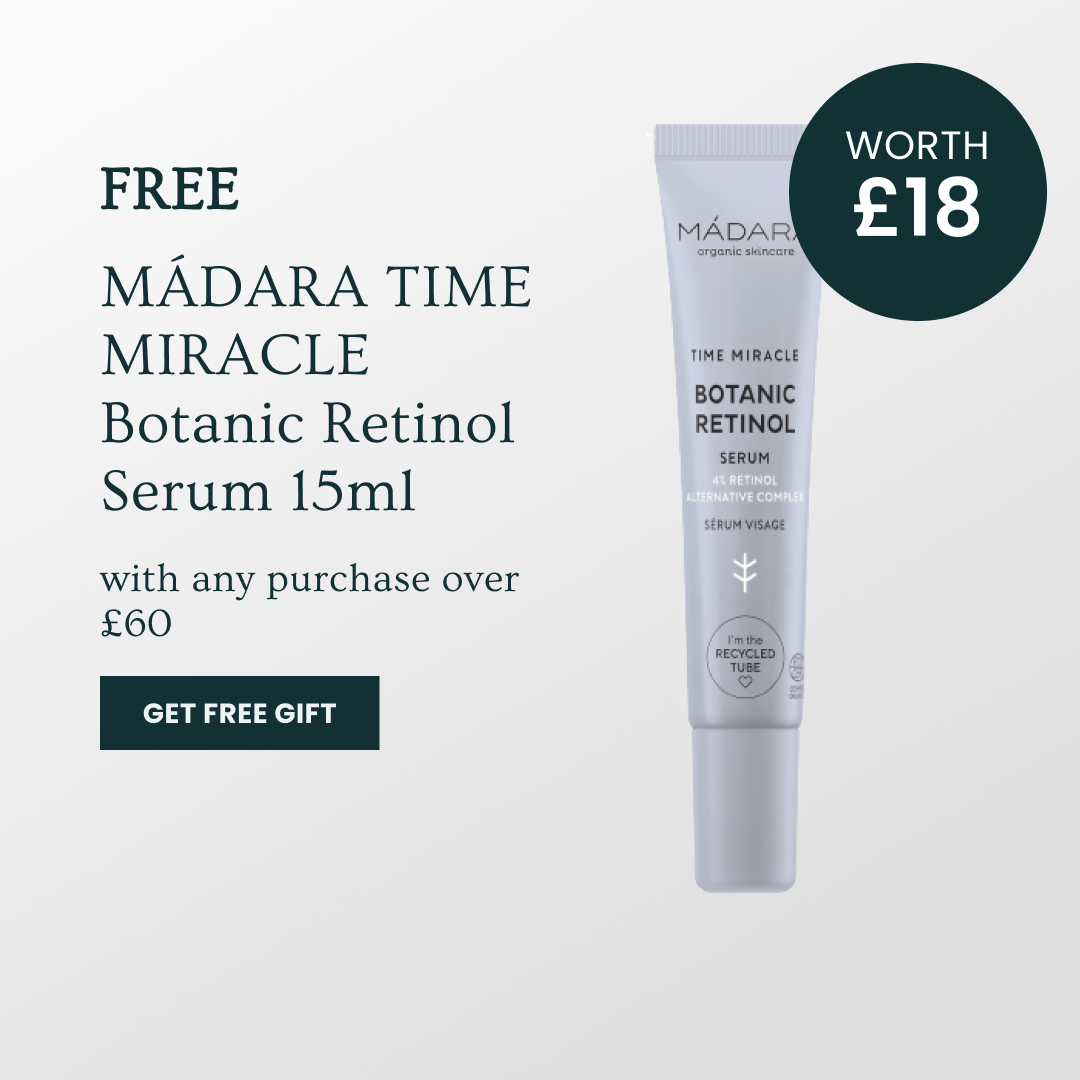
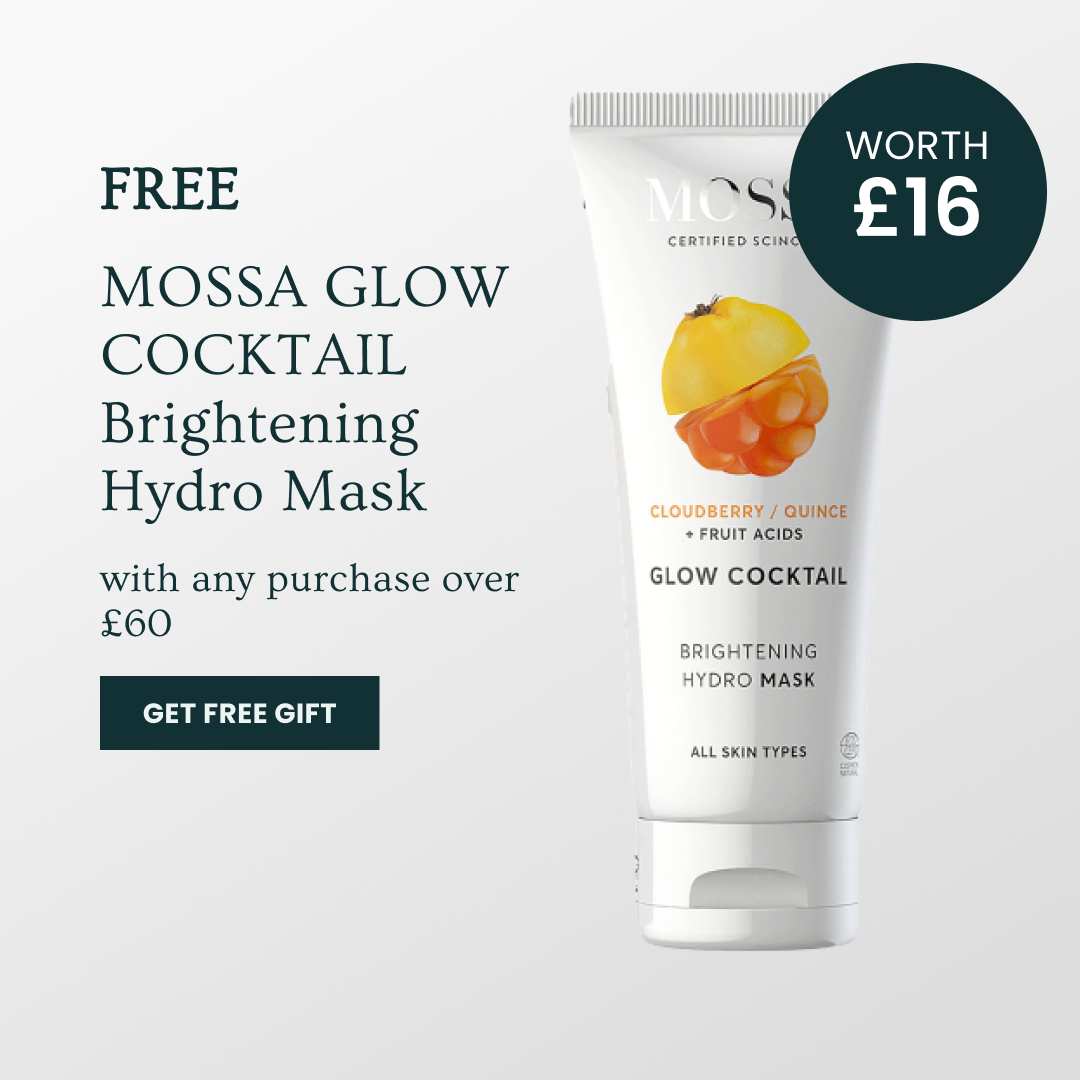
Did somebody say free gift?
Treat yourself to a full size free gift on us when you spend £60 on anything at mypure.co.uk. Take a look at all our free gifts here
WHAT OUR CUSTOMERS SAY
Great range of products, always offer some freebies at checkout depending on the size of the order, and delivery is very prompt and in eco-friendly packaging
I was looking for cruelty free makeup and treatments and am glad i happened upon the website. I have already recommended the website to other people and have shared some of the sample sachets
Great service, speedy and well packaged. Item ordered as expected and good price. Really enjoyed the free samples that I was able to choose with this order. Definitely recommend this site
Wide range of ethical, chemical free and organic products. Very reasonable prices. The website was very easy to use. My order had free postage and arrived very quickly